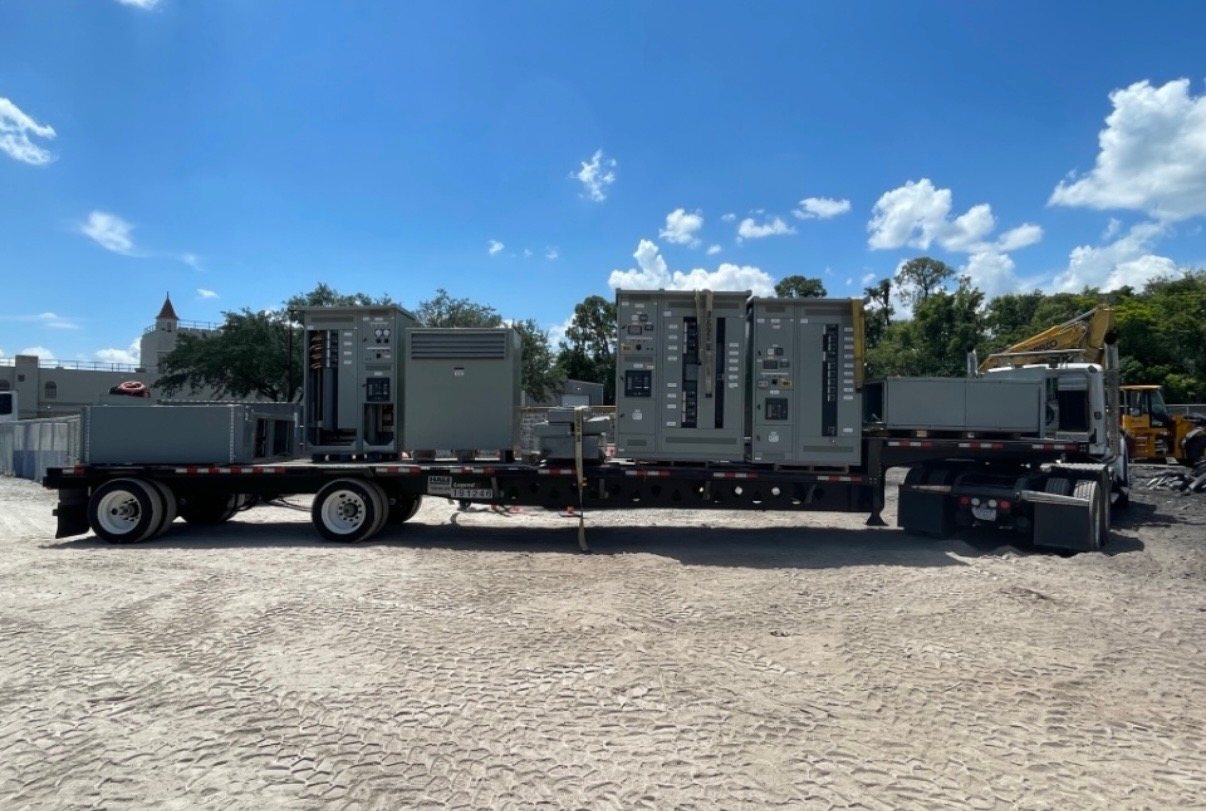
Refinery Distribution Lineups and System Boundaries
A refinery lineup may serve process units, utility systems, electrical substations, or a defined segment of the plant distribution network. Begin by identifying the lineup’s point of connection, upstream source, downstream feeders, nominal system voltage, available fault information, and intended operating configuration. Clarify whether the design includes one or more sources, bus sections, ties, or standby connections; those choices shape the arrangement and the coordination information needed for a quotation.
Provide the current one-line diagram and identify what is changing: a replacement lineup, a capacity addition, a new process area, or a reconfiguration of existing distribution. Include the required feeder count and function, anticipated load growth, equipment interface points, and any restrictions on footprint or access. This lets us assess a proposed new assembly against the project boundary rather than assume that a generic switchboard arrangement will fit refinery requirements.
Critical Loads and Operating Priorities
Refinery loads do not all have the same consequence of interruption. Identify loads that support safe shutdown, essential instrumentation and controls, process continuity, utility services, or other owner-defined priorities. For each load group, document demand, starting characteristics where relevant, expected operating duty, and the source expected to serve it. Explain which loads must remain available during a source change or maintenance condition, and which can be shed or restarted later.
A load schedule should distinguish normal, standby, and future loads instead of combining them into a single total. Note motor and transformer data, load diversity assumptions, planned spare feeders, and any required separation between essential and nonessential circuits. The owner or engineer should define the operating sequence and required continuity; the equipment configuration can then be reviewed against that intent without assuming an unsupported performance outcome.
Selective Protection and Coordination Inputs
Selective protection aims to limit the portion of a refinery distribution system affected by a fault while coordinating protective devices from downstream feeders toward the source. Equipment selection depends on the system study and the protection philosophy, not just the nominal current of a feeder. Provide available short-circuit data, grounding method, upstream device information, downstream protective-device requirements, and the latest coordination and arc-flash study inputs available for the project.
Identify any required trip functions, zone-selective or interlocking approach, metering, communications, and interface with plant control or protection systems. State who is responsible for study updates and settings, and whether the project requires device data or coordination information for engineering review. We can review the requested equipment arrangement against the supplied requirements; final protection settings and system coordination remain subject to qualified engineering and project-specific verification.
Brownfield Tie-Ins and Existing Equipment
A refinery tie-in must reconcile new equipment with an operating facility’s actual electrical and physical conditions. Share existing one-lines, nameplate data, available equipment drawings, feeder and bus details, and photographs or measured dimensions where permitted. Record connection points, cable or bus interfaces, room access, lifting path, clearances, and any environmental or enclosure constraints. If the records conflict with field conditions, identify the discrepancy for resolution before the configuration is finalized.
Define the outage window, cutover boundary, temporary operating arrangements, and the party responsible for field verification and installation planning. We supply new equipment and new retrofit components only; compatibility with existing gear must be evaluated from verified configuration and interface data. A replacement or retrofit component should not be assumed interchangeable based on appearance or a partial catalog description. Installation, testing, and energization require qualified personnel following approved procedures.
Specification, Standards, and Project Documentation
A useful request for pricing includes the one-line, equipment schedule, load and feeder data, system voltage, fault-duty basis, enclosure and access requirements, and project specification. Add drawing and submittal requirements, control and communications interfaces, marking conventions, required spare provisions, and the project’s applicable codes and standards. Identify deviations or open design decisions directly so they can be reviewed rather than silently treated as settled requirements.
For refinery distribution projects, applicable standards and any requested product listing depend on the equipment type and configuration. UL 891 applies to switchboard assemblies; it is not a blanket listing for every class of switchgear. Listing status, standards applicability, and available test or component documentation must be confirmed for the quoted configuration. If American components are specified, state that requirement in the request; origin and any domestic-content documentation must be reviewed for the particular quotation.
Procurement, Review, and Delivery Planning
When requesting pricing, identify the project location, required equipment scope, target submittal and delivery milestones, shipping constraints, and the date by which technical decisions must be resolved. Include the engineer’s contact for technical questions and the purchasing contact for commercial details. For Texas refinery projects, we serve the market from the United States; delivery planning depends on the destination, project readiness, configuration, and shipping arrangements rather than an assumed local stock position.
Lead time is subject to project review and should be confirmed with the quotation, along with configuration, component origin, drawing scope, applicable standards, and documentation. Review submitted drawings for feeder assignments, interfaces, dimensions, and protection requirements before release. Changes to the one-line, load schedule, or tie-in conditions can affect the equipment scope, so record approvals and revisions through the project process. This gives engineering, construction, and procurement a shared basis for planning the new equipment.