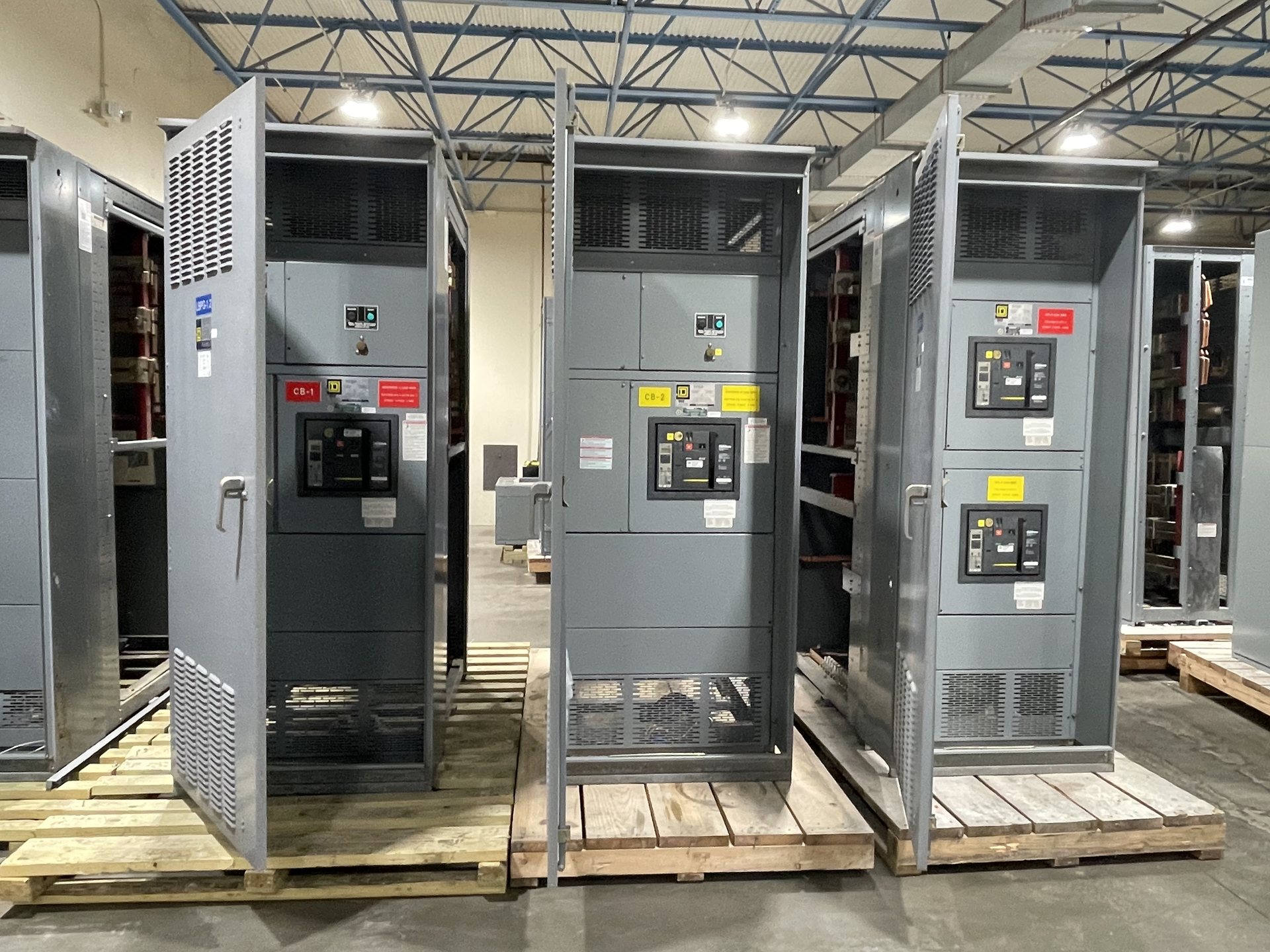
Match distribution to process loads
Start the equipment scope with a load list that distinguishes continuous process loads from intermittent and standby loads. Pumps, compressors, agitators, fans, heaters, analyzers and packaged skids can differ in starting demand, operating duty and sensitivity to a brief interruption. Identify motor horsepower and starting method where applicable, expected operating combinations, criticality, and any planned capacity changes. These details help define switchgear bus, feeder, control and protection requirements without assuming one arrangement fits every plant.
Ask whether loads are fixed or frequently reconfigured, whether variable-frequency drives or soft starters are part of the package, and what upstream or downstream equipment coordinates with each feeder. Include available fault-current information, system grounding, voltage, frequency, and the owner’s naming and labeling conventions in the design basis. Resolve inconsistent schedules before procurement: a changed motor or drive can affect feeder sizing, protection settings, physical space and interfaces with process controls.
Define normal, alternate and standby sources
Document how the facility receives and distributes power: utility service, plant generation, tie connections, transformers, emergency generation or other project-defined sources. State which sources may operate simultaneously, which are reserved for contingency, and whether transfer is manual or automatic. Source arrangements influence bus segmentation, transfer equipment, interlocking, metering and protection. The one-line diagram should show normal and alternate paths clearly, including tie points and the intended operating state of each device.
For critical process loads, the owner and engineer should identify what must remain energized during source loss, what can shed, and what sequence restores equipment. Confirm generator and transformer characteristics, grounding and neutral arrangements, and any restrictions on paralleling sources. Provide the governing one-lines and operating narratives with the request for pricing. We can review those project inputs for a proposed equipment configuration, while final system coordination and operating procedures remain subject to the responsible design team’s approval.
Account for chemical-plant environments
Switchgear room conditions deserve explicit attention in chemical and petrochemical projects. Specify ambient temperature range, humidity, ventilation or cooling, dust and corrosive contaminants, and any washdown or condensation exposure. Identify whether equipment is indoors or outdoors, the enclosure location, cable entry direction, access clearances, and constraints on moving assemblies into the room. For classified areas, provide the area classification documents and equipment-room boundaries so the engineering team can assess the intended location and interfaces.
Do not treat a general-purpose enclosure or a room designation as proof that an assembly is suitable for every site condition. The project should establish enclosure requirements, environmental controls, separation from process hazards, and applicable installation constraints. Share facility standards and any required materials or finish criteria for review before quotation. Configuration, component suitability and applicable standards depend on the specific design; they should be verified for the proposed assembly rather than inferred from the industry category.
Coordinate protection and process continuity
Protection should reflect the fault levels and operating modes of the actual system, not just equipment nameplate data. Provide the available short-circuit current at the switchgear, source and transformer information, grounding method, and the latest coordination or arc-flash study inputs where available. Identify protective devices upstream and downstream, motor protection needs, ground-fault requirements, and which circuits require selective coordination. These inputs allow the proposed device arrangement and ratings to be reviewed against the project’s protection criteria.
Process continuity can depend on how a fault is isolated and how buses are divided. Discuss whether critical feeders need separation, whether a bus-tie operating mode is permitted, and how protection settings change between utility, generator or maintenance configurations. Define required metering, alarms, communications and control interfaces, including protocols and points exchanged with plant systems. The engineer of record should approve coordination, settings and study conclusions; equipment procurement should not substitute for system studies or operating decisions.
Scope new assemblies and retrofit components
For a new installation, identify the lineup arrangement, incoming and outgoing feeder functions, bus configuration, metering, controls, cable spaces and available room dimensions. Provide the one-line, load schedule, control schematics, preferred device functions and project specification. We supply new equipment built to specification using American components as directed by the customer. Component origin, availability, engineering details and any requested test documentation must be confirmed during quotation review; no particular configuration or domestic-content compliance should be assumed in advance.
A retrofit scope should be equally precise: identify the existing switchgear manufacturer and model, assembly and compartment details, device type, connection geometry, ratings and control requirements. Include clear, legible nameplate and dimensional information, existing drawings, photos and the reason for the change. We supply new retrofit components. Compatibility must be assessed against the installed assembly and project requirements before an order is placed; do not assume a replacement is interchangeable based only on nominal voltage or device description.
Plan documentation, maintenance and procurement
Set documentation expectations early so the quotation reflects the project’s approval and handover needs. Identify required submittals, drawing formats, equipment schedules, bill-of-material detail, operating and maintenance information, and any test records requested. For switchboard assemblies, UL 891 may apply where the configuration and project requirements call for it; it is a switchboard standard, not a blanket listing for all switchgear. Verify listing status and applicable standards for the exact proposed configuration.
Maintenance planning begins with access, isolation boundaries, spare-part strategy and the owner’s inspection and testing program. Specify any desired spare new components, document revision control, and identify who will review settings and maintenance procedures. Installation, servicing, testing and energization must be performed by qualified personnel under approved procedures. For a useful pricing review, send the current one-line, load data, source details, site conditions, specification, retrofit information if relevant, required documentation and requested delivery window; schedule is subject to project review.