Start with a milestone sequence, not a single delivery date
A useful bid schedule shows how decisions unlock subsequent work. Identify the dates for design-basis completion, utility review, equipment submittal, customer drawing approval, release to fabrication, inspection, shipment, receipt, and installation readiness. For each milestone, name the responsible party and the information required to close it. This makes dependencies visible before a requested delivery date is treated as achievable.
Ask whether the bid date means equipment arrival, unloading, placement, or readiness for energization; these are different project milestones. Include the intended site and required-on-site date, but avoid assuming a transit duration or delivery guarantee before shipment details are reviewed. When construction phasing is uncertain, show the planned sequence and identify which dates remain provisional.
Set design and utility approval gates
Before requesting pricing, assemble the design information that governs the switchgear scope: system voltage and frequency, one-line diagram, source and feeder arrangement, protective-device requirements, available fault-current information, and any operating or metering constraints. Identify the utility and the point of interconnection. Ask which utility documents, approvals, or equipment-interface decisions must be completed before the design can be released.
Place utility review on the schedule as an explicit gate rather than an assumed formality. Clarify who submits drawings or supporting information, who answers comments, and whether approval is required before procurement or fabrication. If utility requirements are pending, list the open items and state that the equipment configuration and schedule may change when those requirements are resolved.
Define the bid scope and procurement assumptions
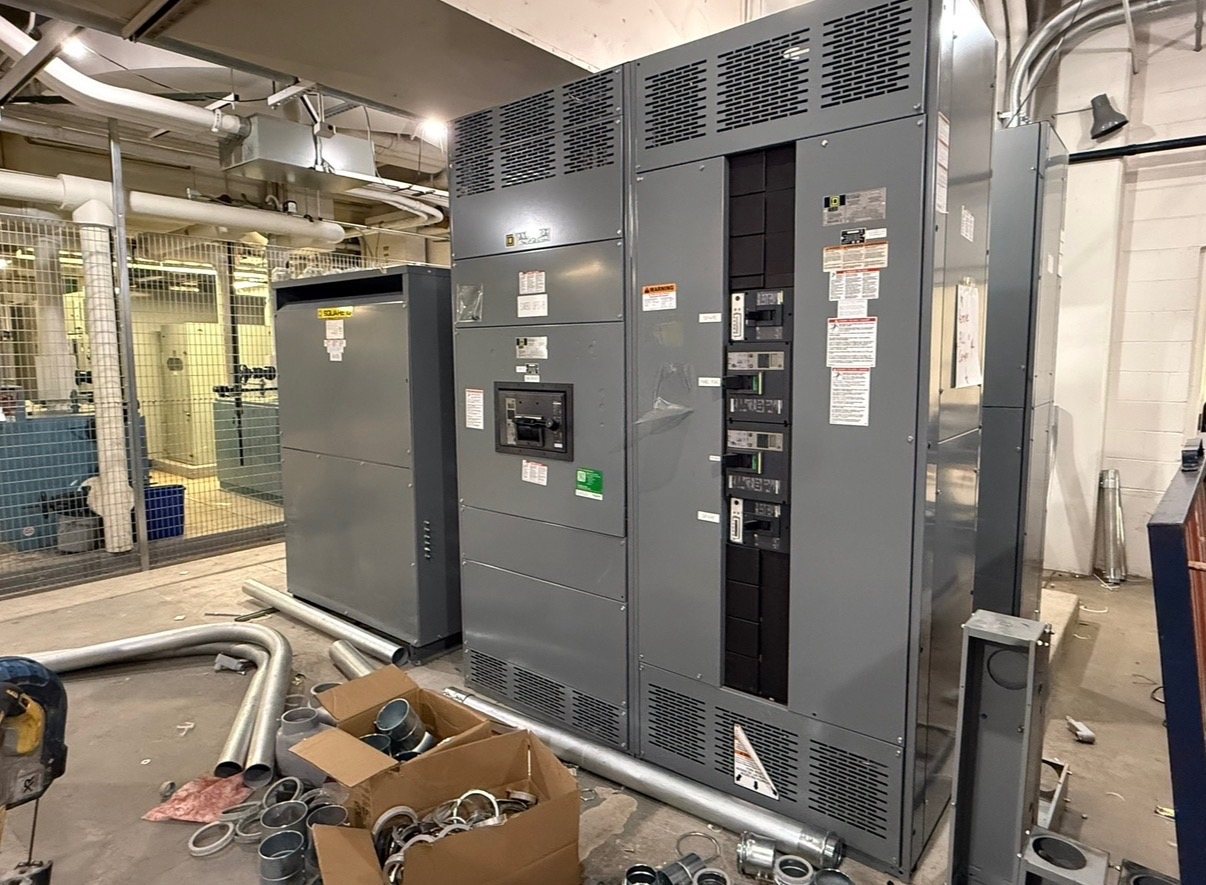
State clearly that the quotation is for new switchgear or new retrofit components, as applicable; do not combine these scopes without a defined boundary. Describe the equipment functions, lineup interfaces, required accessories, and any exclusions that affect coordination with other trades. For retrofit work, identify the existing equipment and interfaces that must be documented so compatibility can be evaluated rather than presumed.
Ask the manufacturer to review the drawings, specifications, and requested milestone dates before the bid schedule is used for commitments. Identify customer-specified American components and request confirmation of their availability and origin for the proposed configuration. Component origin and domestic-content requirements are not interchangeable: any required compliance basis must be stated and evaluated separately for the specific project.
Allow time for submittal review and design changes
Show the equipment submittal period, customer review period, comment resolution, and approval separately. The bid package should identify who has authority to approve drawings and how consolidated comments will be returned. Ask reviewers to check interfaces, dimensions, access clearances, cable entry, control requirements, and coordination with the one-line diagram. Missing decisions or conflicting comments can delay release to fabrication.
Establish a revision and change-control process before approval. Record which documents define the purchased configuration and how a change in ratings, accessories, utility requirements, or site conditions will be assessed. Request a schedule impact review when scope changes occur rather than carrying forward an earlier date without confirmation. Applicable standards and listing should be verified for the specific configuration; UL 891 applies to switchboards, not every form of switchgear.
Connect procurement, fabrication, and inspection
After drawing approval, distinguish the procurement and manufacturing activities that remain before shipment. The quotation should state the lead-time basis and the assumptions behind it, subject to project review and confirmation. Ask which outstanding approvals, selected components, or customer-furnished information could affect procurement. Avoid converting an estimate into a guaranteed date until the proposed scope and schedule have been reviewed.
Define inspection expectations while the bid is being assembled. Confirm what inspection or test documentation is available for the quoted equipment and whether a customer witness or hold point is requested. Identify who schedules the inspection, what notice is needed, and whether release for shipment depends on acceptance. Do not assume a particular test result, certification, or document package; confirm these items for the actual configuration and quotation.
Plan delivery around site readiness and handoff
Coordinate the requested delivery window with site access, receiving hours, unloading capacity, storage conditions, construction progress, and the route to the installation location. Ask the contractor or site team to confirm that foundations, housekeeping pads, openings, clearances, and associated raceways will be ready when equipment arrives. State who receives the shipment and who checks it against the shipping documents and approved scope.
Keep installation and energization dates distinct from delivery. Confirm how shipping arrangements, destination details, and any required handling constraints will be coordinated after the order is reviewed. Installation, servicing, testing, and energization must be performed by qualified personnel under approved procedures. For a pricing request, provide the current design documents, target milestones, site destination, approval status, and known constraints so the manufacturer can assess the schedule with the equipment scope.