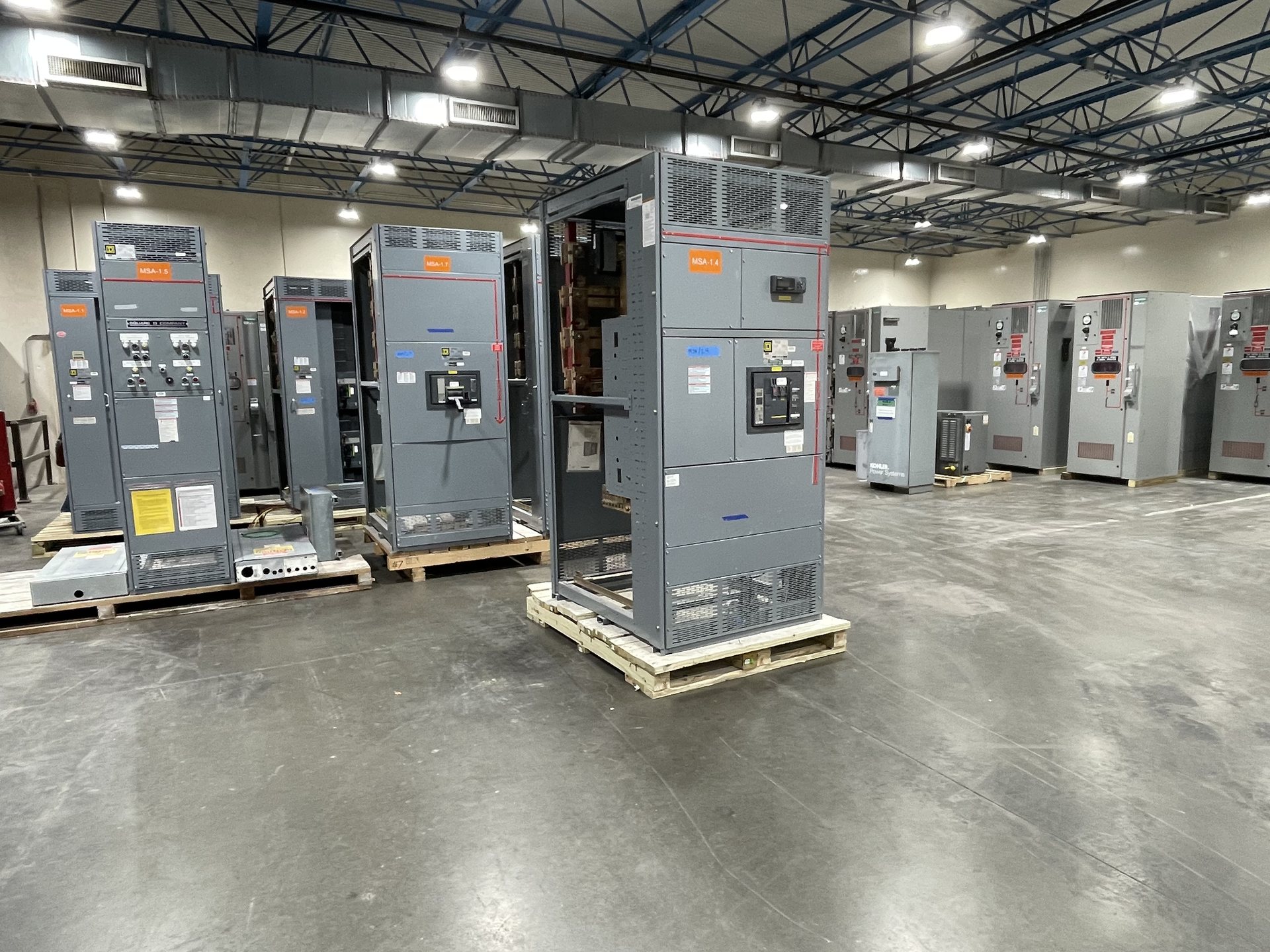
Choose Surface Preparation for the Exposure
Corrosion preparation should reflect where the enclosure will operate and what it may encounter. Indoor electrical rooms, damp service areas, outdoor locations, and environments exposed to airborne contaminants can impose different demands. Describe moisture, temperature variation, chemical exposure, salt or industrial atmosphere, cleaning practices, and any risk of abrasion. For Texas projects, include the actual site conditions rather than relying on the state or city name as a proxy for exposure.
Specify the substrate and preparation requirements you expect, including any project-defined cleaning, surface conditioning, or preparation profile. The coating supplier’s product data and the project specification should be reviewed together so the preparation method is suitable for the selected material system. If the enclosure design includes seams, edges, recesses, or attachments, clarify how those areas are to be prepared and covered. We can review these requirements with the configuration when preparing a quotation.
Translate the Coating Specification into Scope
A useful coating specification identifies the intended system rather than naming paint alone. State the required primer and finish-coat types, application method if constrained, color reference, gloss or appearance expectations, and any minimum film-build criteria established by the project. Identify the surfaces included, such as exterior panels, doors, structural members, or accessible interior surfaces. Do not assume that an enclosure’s standard appearance satisfies a project specification unless it is explicitly confirmed.
Provide the governing project documents and note which requirement takes precedence if drawings, schedules, and written specifications differ. Clarify whether the finish requirement applies to the complete new assembly or only to new retrofit components. If a project requires a particular product, color, or coating process, include its exact designation and acceptance criteria in the inquiry. Availability, engineering review, component origin, lead time, and documentation are confirmed for each quotation; no specific coating system is presumed.
Define Coverage and Coating Continuity
Coating continuity depends on both the specification and the enclosure’s geometry. Discuss coverage at edges, corners, joints, formed returns, fastener locations, mounting features, and other areas that may be difficult to coat uniformly. Clarify whether mating surfaces, concealed faces, cutouts, and interior surfaces require coating, and identify any surfaces that must remain uncoated for electrical bonding, fit, grounding, identification, or other design functions. These details prevent finish expectations from conflicting with assembly requirements.
For retrofit work, define the boundary between new coated components and existing equipment that is not part of the supplied scope. A new door, panel, or other replacement component should be specified by its interface, dimensions, and required finish, with any adjoining surfaces or masking limits identified. We supply new retrofit components only; project documents should not assume that existing equipment will be refinished as part of the component supply. Confirm boundary conditions before release so appearance and fit expectations are clear.
Address Cure, Handling, and Assembly Timing
Coating cure is a process requirement that can affect handling, packaging, assembly sequence, and readiness for shipment. If the project specifies cure conditions, minimum cure period, or a defined method of verifying readiness, include those criteria in the procurement documents. The coating product’s technical data and the manufacturing plan should be considered together. Avoid treating a dry-to-touch description as proof that the finish has reached the condition required for handling, installation, or service.
Tell us about schedule constraints that interact with the finish process, including required inspection points, assembly sequencing, or restrictions on packaging and contact surfaces. The coating must be protected from scraping, pressure marks, and contamination during subsequent handling, while planned openings and interfaces remain usable. Lead time depends on project review and confirmed requirements; a cure specification can influence production planning. We confirm the applicable schedule and process details with the quotation rather than promising a fixed turnaround.
Plan Inspection and Finish Documentation
Set acceptance criteria that can be reviewed consistently. Depending on the project specification, relevant checks may address visible coverage, color, coating condition, film thickness, adhesion, or other defined properties. State the inspection method, sampling expectations, acceptance limits, and when inspection must occur. If the project requires records, identify the exact documents requested, such as product data, process records, or inspection results. Do not assume that a particular test, report, certification, or finish standard is included unless confirmed for the quoted configuration.
Coordinate inspection access and hold points before production, especially when approval is required before coating, assembly, or shipment. Provide the responsible reviewer and the document-submission route with the inquiry. Acceptance requirements should distinguish a cosmetic observation from a condition that affects protection, function, fit, or electrical interfaces. Listing and applicable standards must also be verified for the equipment configuration; a coating requirement does not establish a product listing, and UL 891 applies to switchboards rather than every type of switchgear.
Specify Touch-Up and Field Maintenance
Touch-up expectations should be stated before the equipment is ordered. Identify whether the project requires a compatible repair coating, application instructions, or material supplied with the new equipment or retrofit component. Any repair system should be selected for compatibility with the specified coating and the anticipated exposure. Confirm how repaired areas are to be prepared and evaluated; do not assume that an on-site touch-up will duplicate the original appearance or protective performance without a defined process.
Include handling and installation practices in the project plan to reduce damage, and establish who is responsible for evaluating coating damage before the equipment is placed in service. A qualified person should assess whether a damaged area requires repair, replacement, or further review under approved procedures. Installation, inspection involving electrical hazards, servicing, testing, and energization must be performed by qualified personnel under approved procedures. Requests for pricing should include finish scope, drawings, exposure details, and documentation needs for review.