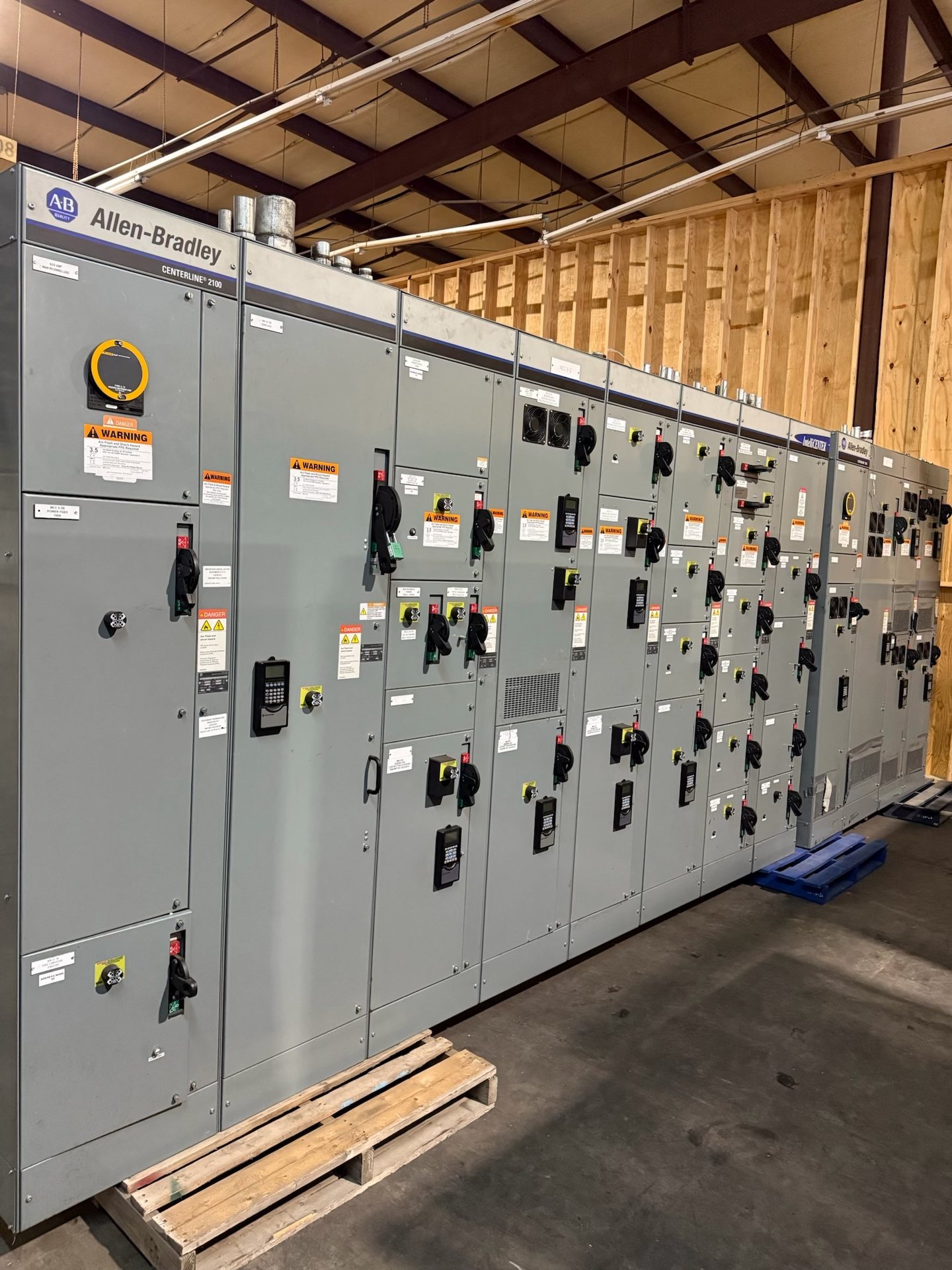
Define the environment before selecting seals
Start with the actual installation conditions rather than choosing an enclosure by a single label. Document whether equipment will be indoors or outdoors, exposed to wind-driven rain, dust, washdown, condensation, corrosive agents, or temperature swings. Note nearby processes, cleaning methods, roof drainage, and whether the equipment sits in a conditioned electrical room or an unconditioned space. These details help determine which sealing and enclosure features merit review.
Also establish the expected service life, access frequency, and maintenance constraints. A frequently accessed door may experience more gasket compression cycles than a rarely opened compartment, while a sheltered location may still face moisture migration or airborne contamination. For Texas projects, consider the specific site exposure and building conditions; the state or city alone does not establish the required enclosure design. Provide site criteria and project specifications for engineering review.
Match gasket design to the door interface
Gasket selection depends on the mating surfaces, closure geometry, compression range, temperature exposure, and substances that may contact the seal. The gasket must form a consistent interface around the opening without obstructing latches, hinges, or required access. Specify the intended environment and any known chemical or cleaning exposure, and ask how the proposed material and profile are suited to those conditions. Material suitability should be confirmed for the particular assembly rather than assumed from appearance.
Door alignment and compression are as important as the gasket itself. Uneven gaps, distorted panels, paint buildup at sealing surfaces, or hardware that does not draw the door evenly can compromise the interface. During design review, clarify how the door closes, where the gasket contacts the frame, and whether removable panels have separate sealing requirements. For retrofit work, identify the exact enclosure and interface dimensions; new retrofit components must be confirmed for fit and compatibility.
Balance door access with sealing continuity
Doors, removable covers, and compartment joints create potential paths for environmental ingress, but access is necessary for inspection and service. The design should account for opening direction, available working clearance, latching arrangement, and the number of access points. Ask whether seams and joints are included in the enclosure evaluation, and whether the proposed layout preserves the intended sealing surfaces when doors are closed and secured.
A field change can alter that balance. Added hardware, replacement hinges, relocated handles, or an unplanned cutout may affect alignment and sealing continuity. Include door elevations, compartment boundaries, and any required access provisions in the project package. Where modifications are contemplated, have the complete revised configuration reviewed before ordering. Installation, servicing, testing, and energization must be performed by qualified personnel under approved procedures; enclosure design does not replace safe work practices.
Treat ventilation as part of the enclosure
Ventilation can help manage heat, but openings, filters, fans, and exhaust paths also change how an enclosure resists dust and moisture. Define the heat sources, operating conditions, ambient temperature range, and any project thermal requirements before selecting a ventilation approach. Determine whether airflow is passive or assisted and where air enters and exits. Do not assume that adding a louver or fan leaves the original environmental performance unchanged.
Review how filters will be accessed and maintained, whether the site environment could load or obstruct them, and what happens when a fan or filter requires service. The heat-management approach and enclosure rating must be considered together for the exact assembly. Share equipment heat data and operating assumptions during quotation review. Availability, engineering, component origin, lead time, and supporting test documentation are confirmed for each quotation and configuration.
Coordinate penetrations and cable entries
Cable, conduit, bus, and control wiring entries should be laid out before enclosure fabrication. Identify entry locations, sizes, quantities, routing direction, and whether field access is available for installation. Clarify which penetrations are factory-provided and which are expected to be made on site, along with the intended entry method. Poorly coordinated openings can interfere with internal clearances, cable bending space, sealing surfaces, or equipment arrangement.
Every penetration is part of the environmental boundary. Review the selected fittings, hubs, glands, or other closure details for compatibility with the enclosure and the exposure criteria. Include unused openings and future-entry provisions in the review; an opening intended for later use still needs an appropriate closure in the meantime. Provide coordinated electrical and mechanical drawings, entry schedules, and applicable project requirements so the proposed configuration can be evaluated as a complete assembly.
Verify the complete rating and project documents
Confirm the enclosure rating for the complete proposed configuration, not just the base cabinet or an individual component. Doors, gaskets, ventilation devices, penetrations, covers, and field modifications can affect the final environmental performance. Request documentation that identifies the configuration and applicable evaluation basis, and verify that it addresses the intended installation conditions. Ratings are not interchangeable, and a product description alone does not establish suitability for a specific exposure.
For a useful quotation package, provide the one-line diagram, equipment schedule, enclosure drawings, site environment, required access and ventilation provisions, entry locations, and governing project specifications. State whether the request is for new equipment or new retrofit components and identify the existing interface where relevant. We serve Texas from the United States and ship nationwide. Listing and applicable standards should be verified for the quoted configuration; UL 891 applies to switchboards, not automatically to every switchgear assembly.