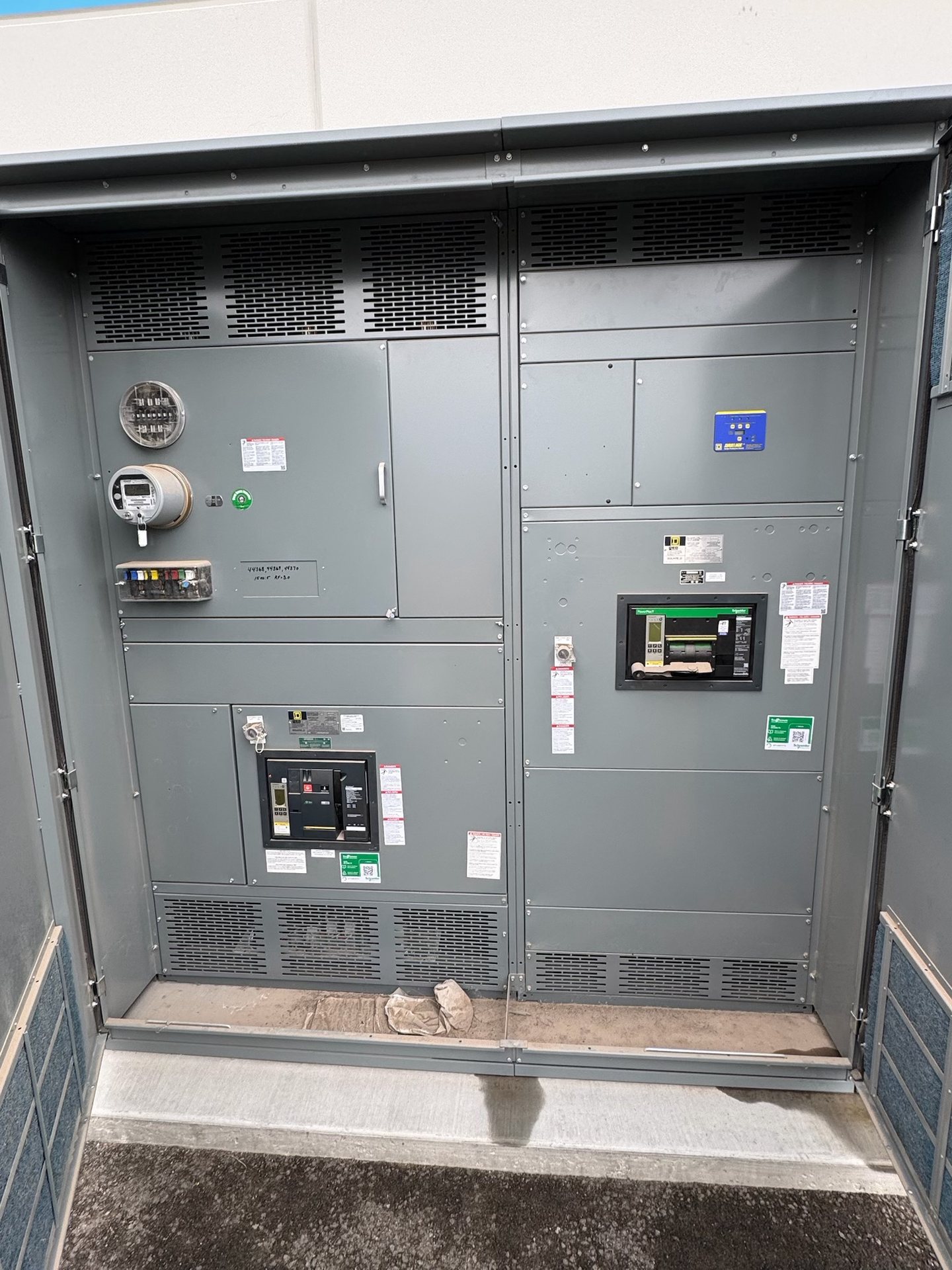
Choose a NEMA or IP rating for the actual exposure
Start by documenting what can reach the equipment at its installed location. Consider whether the enclosure will be indoors or outdoors, exposed to rain or windblown dust, subject to washdown, near corrosive substances, or located where people may contact it. Record expected ambient conditions and any special site hazards. A rating selected from a room label alone can miss the exposure at the equipment itself.
NEMA type designations and IP codes use different classification systems and test criteria, so do not treat their labels as automatically interchangeable. The project specification should identify the required system and rating, along with the environmental conditions behind it. We can review those requirements when preparing a quotation for new equipment; the proposed configuration and applicable rating documentation must be confirmed for that specific assembly.
Translate site conditions into enclosure requirements
An indoor electrical room may still have dust, dripping condensation, cleaning spray, or restricted airflow. An outdoor installation may face rain, airborne debris, temperature swings, and exposure from multiple directions. For Texas projects, provide site-specific conditions rather than relying on the state or city as a proxy for exposure. Include whether the equipment is sheltered, where water could collect, and whether routine cleaning or nearby processes affect the enclosure.
Clarify whether the enclosure is expected to limit access to hazardous parts, resist entry of solid objects, exclude water, or address a combination of concerns. Also identify corrosive atmospheres, unusual contamination, or other conditions that may call for material, finish, or construction choices beyond the type designation. These details help distinguish a stated rating requirement from the broader question of whether the equipment is suitable for its installation environment.
Account for ventilation and heat-management openings
Switchgear generates heat, so enclosure design may need ventilation or another heat-management approach. Louvers, fan openings, filters, exhaust paths, and other penetrations can affect how the enclosure resists dust, water, or access. Do not assume that adding a cover or filter preserves a stated rating. The opening, protective device, mounting method, and surrounding enclosure configuration all matter when determining the performance of the finished equipment.
When specifying a ventilated enclosure, ask how the required heat dissipation will be achieved while addressing the intended exposure. Provide available room or outdoor design conditions, equipment loading information, and any limits on airflow or maintenance access. If filters or other serviceable parts are proposed, establish how their condition will be maintained. Final suitability and rating depend on the reviewed design; they should not be inferred from the rating of an individual vent component.
Review every opening, interface, and field modification
Cable entries, conduit connections, doors, seams, viewing windows, control devices, and accessory cutouts can all influence enclosure protection. Their location and construction should be considered as part of the design, not treated as details to settle after the rating is selected. Share cable-entry direction, equipment layout constraints, required controls, and known field interfaces during quotation so the proposed enclosure can be evaluated as configured.
Field drilling, added louvers, replacement door hardware, or other modifications may change the original enclosure performance. A component with its own rating does not automatically preserve the rating of the enclosure after installation. For retrofit work, identify the existing equipment and requested changes, and specify that only new retrofit components are acceptable. We supply new equipment and new retrofit components; the compatibility and rating of the resulting configuration require project review.
Verify the complete assembly and its documentation
Verify the rating for the complete proposed assembly, including enclosure, doors, penetrations, ventilation provisions, and incorporated accessories. A catalog description for an empty enclosure, a component data sheet, or a drawing note may not establish the rating of the finished switchgear. Ask what configuration the documentation covers and whether any site-installed features or customer-specified openings fall outside that scope.
Before release, align the quotation, drawings, submittal documents, and project specification on the required enclosure type and the exact configuration being supplied. Confirm which rating system applies and what documentation is available for review. Listing and applicable standards must be verified for the specific assembly; a switchboard standard such as UL 891 is not an enclosure rating and does not, by itself, establish that every configuration meets a requested type.
Scope enclosure requirements in the purchase package
A useful request for pricing states the installation exposure, required NEMA type or IP code, indoor or outdoor use, ventilation expectations, cable-entry arrangement, and known accessories or openings. Include project drawings and specifications where available, and identify any conflicts between them. Also ask which assumptions require confirmation. This information supports a meaningful review of the enclosure configuration rather than a quote based only on an abbreviated type designation.
We manufacture and supply new equipment to specification, using American components as specified by the customer. Component origin, engineering details, availability, lead time, and test or rating documentation are subject to confirmation for each quotation. State any domestic-content or documentation requirements for review; component selection alone is not independent verification of regulatory compliance. Installation, servicing, testing, and energization must be performed by qualified personnel under approved procedures.