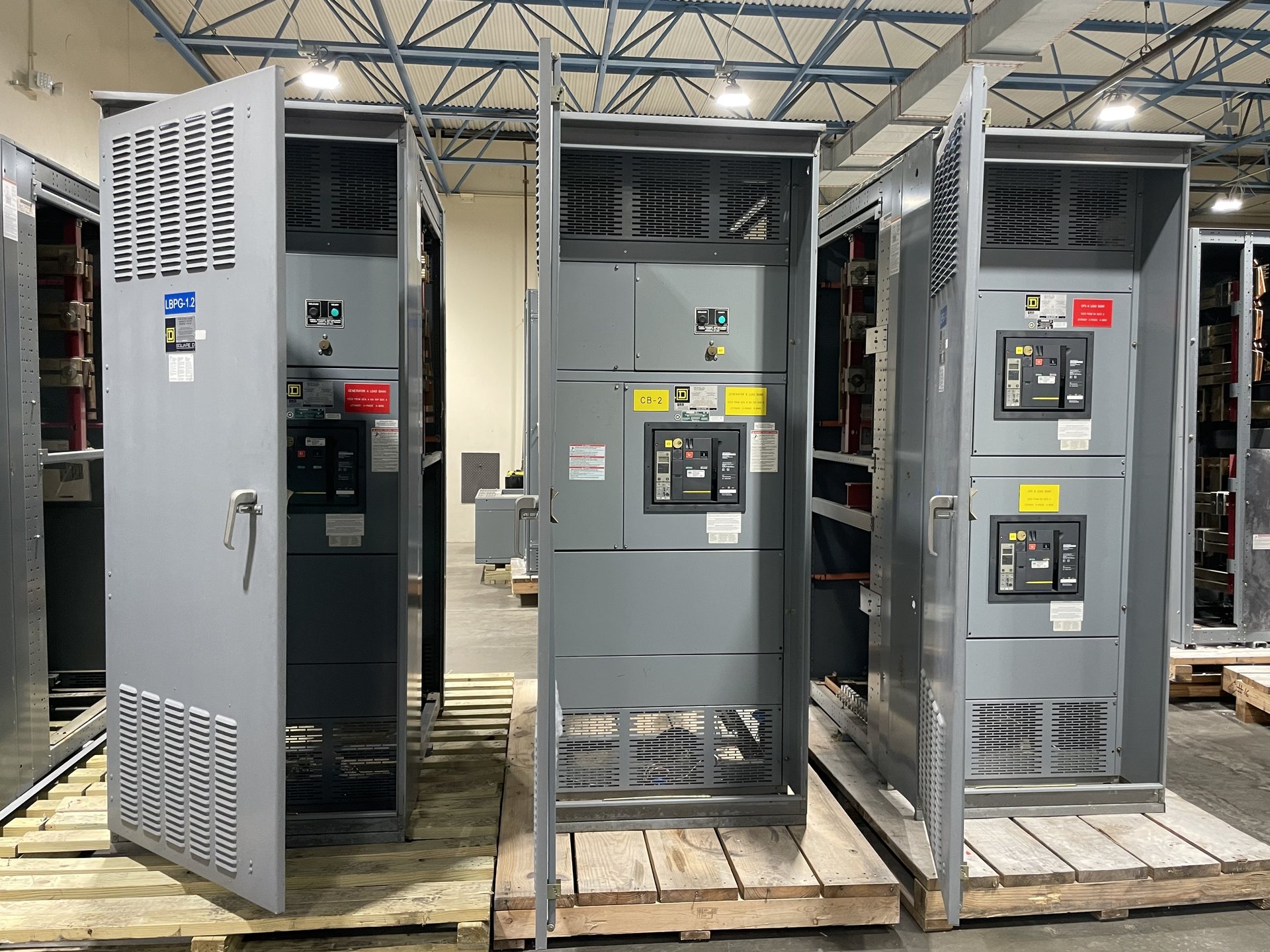
Fit-Up Sets the Foundation for Enclosure Welding
Frame members and sheet-metal panels must be positioned and held to the dimensions shown in the approved drawings before welding begins. Fit-up review considers member orientation, squareness, opening dimensions, panel overlap, and interfaces with adjoining sections. A small mismatch at a frame corner can affect door alignment or the placement of internal supports, so the fabrication plan should identify critical dimensions and how they will be checked before parts are joined.
Project teams can help prevent ambiguity by supplying current, coordinated drawings that identify enclosure dimensions, section boundaries, door and access-panel locations, and any required interfaces with the installation. Where drawings leave a fit condition open to interpretation, the manufacturer should resolve it during quotation or engineering review rather than assume a field adjustment will be acceptable. Confirm revisions, tolerances, and approval status before releasing fabrication.
Control Weld Distortion and Preserve Geometry
Welding heat can pull sheet metal, change a frame’s squareness, or introduce local waviness. The appropriate sequence depends on material thickness, joint arrangement, component size, and the drawing’s dimensional requirements. Fabrication planning may use controlled joint preparation, suitable restraint, balanced sequencing, and intermediate checks to limit movement. These are production decisions for the specific design, not universal settings that can be prescribed without reviewing the material and joint details.
The key purchasing question is which dimensions and surfaces are functionally critical after welding. Identify door openings, mounting planes, section-to-section interfaces, and clearances that must remain consistent with the approved design. If a project has defined dimensional tolerances or acceptance criteria, provide them with the bid documents. Any proposed correction or design change should be reviewed and documented before it affects fit, finish, or assembly.
Plan Weld Access Around Enclosure Features
Weld access is shaped by the enclosure’s geometry and by the order in which its members and panels can be assembled. Closely spaced flanges, internal stiffeners, corners, and partially enclosed cavities can limit tool access or make a joint difficult to inspect. Reviewing access during design coordination helps determine whether a joint can be completed as drawn, whether assembly order needs adjustment, or whether the drawings require clarification before fabrication proceeds.
When requesting pricing, include details that influence access: removable panels, internal barriers, mounting rails, doors, louvers, cable-entry features, and any interfaces with equipment supports. These features can affect where joints are located and when they are made. A change that appears minor in a drawing may alter the available working space, so revised details should be reviewed for fabrication sequence and inspection access rather than added informally after approval.
Coordinate Sheet-Metal Joints and Panel Fit
Enclosure panels must meet the frame and neighboring panels in a way that follows the specified construction and preserves intended openings and edges. The drawings should make clear which joints are welded, which are mechanically joined, and which surfaces require a particular finish or appearance. Where that information is not defined, the manufacturer and project team should agree on the intended joint treatment and acceptance expectations before production.
Panel flatness and edge alignment matter where doors, covers, adjoining sections, or installation interfaces meet. Review the drawing for seams near openings, transitions between enclosure sections, and features that could be affected by heat or by later finishing operations. If the project requires a particular appearance, coating preparation, or treatment of visible welds, state that requirement in the specification. Such finish expectations should be coordinated with the fabrication sequence and quoted scope.
Inspect Against Approved Project Drawings
Inspection should compare the fabricated enclosure with the current approved drawings and the project’s stated acceptance criteria. A useful review can cover overall dimensions, squareness, opening locations, panel alignment, weld continuity where specified, and interfaces between sections. The inspection record and any requested measurement documentation should be established during project review; the available evidence and test documentation are confirmed for the quoted configuration rather than assumed to be identical for every assembly.
Drawing control is central to an effective inspection. Confirm the revision used for fabrication, how approved deviations are recorded, and who has authority to accept a proposed change. If a dimension or joint detail is unclear, resolve it through the project’s documented review process. This approach helps purchasing, engineering, and fabrication teams evaluate the same requirements and reduces the risk of relying on an outdated drawing or an undocumented field interpretation.
Define Scope for New Equipment and Retrofit Components
We manufacture and supply new equipment and new retrofit components. For a retrofit scope, provide the existing equipment identification, available dimensional information, interface drawings, and a clear description of the new component’s intended fit. The manufacturer should review which enclosure dimensions and connection points are confirmed, which are based on customer-supplied information, and whether additional engineering clarification is needed before pricing and fabrication.
A complete request for pricing can include the enclosure drawings, material and finish requirements, relevant tolerances, approved drawing revisions, inspection expectations, and requested documentation. Also identify whether the scope includes a complete new assembly or only new retrofit components. Availability, engineering, lead time, component origin, and documentation are subject to project review and must be confirmed for the quotation. Applicable standards and any listing requirements should be verified for the specific configuration.