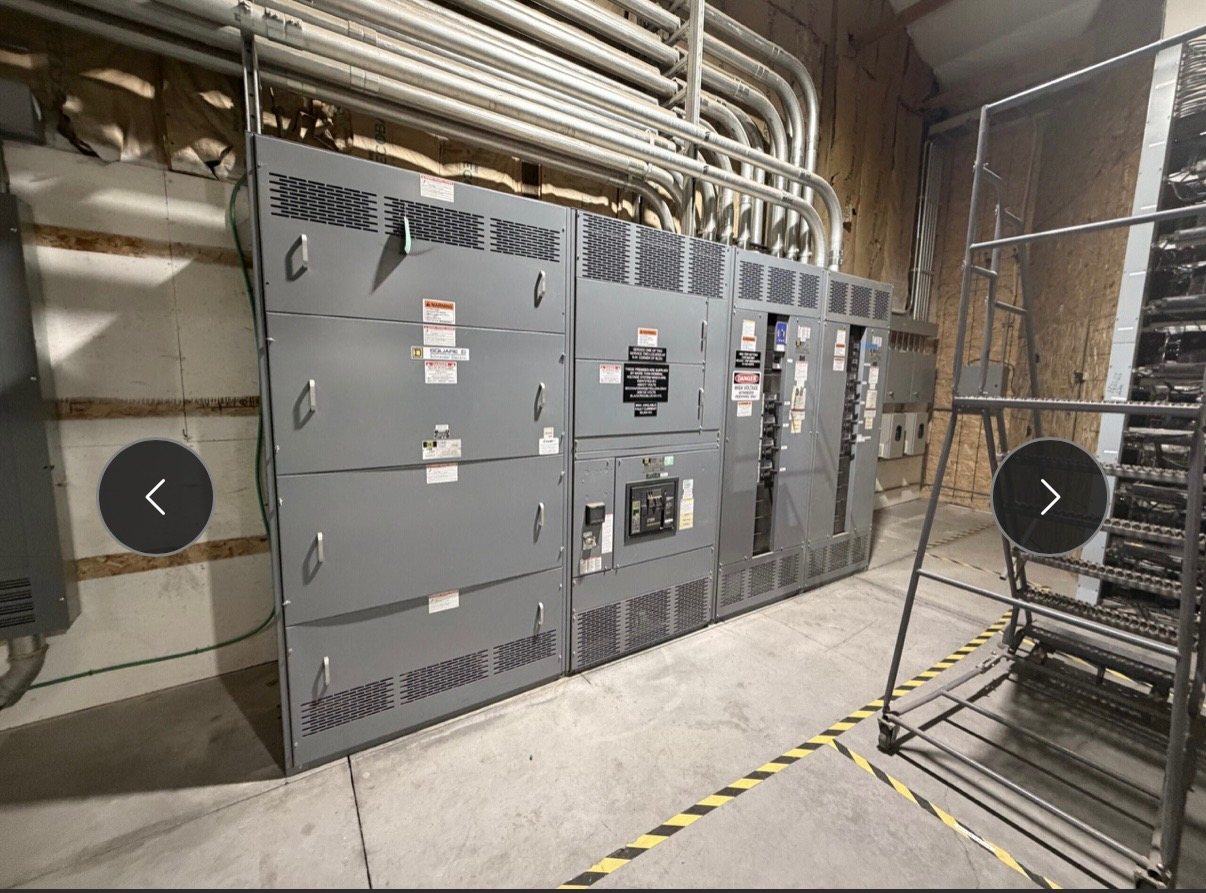
Define the FAT scope before requesting pricing
A useful FAT scope distinguishes routine inspections and checks from optional tests requested for a particular project. The purchase documents should identify the assemblies or components to be covered, the drawings and approved submittals that govern the review, and the tests or inspections expected before shipment. For new retrofit components, describe the intended equipment interface and identify which supplied items are included; do not assume testing of an existing field installation is part of the factory scope.
Ask for the proposed scope in writing with the quotation. Clarify whether the price includes routine manufacturer checks, special testing, witness access, test records, or a customer-specific procedure. State any owner, engineer, or contract requirements that affect the work. The actual scope depends on the configuration and applicable standards, so the quotation should confirm what can be performed and what requires separate engineering or scheduling.
Separate routine checks from optional tests
Routine FAT activities generally verify that the equipment supplied corresponds to approved project documentation and that specified inspections or checks have been completed. Which activities apply depends on the assembly, components, design, and governing requirements. Request a list of included checks rather than relying on the word “routine,” which can mean different things across specifications and contracts. Ask the manufacturer to identify any exclusions, prerequisites, or checks that are not applicable to the quoted configuration.
Optional or project-specific testing may require additional engineering, test equipment, preparation, or review time. Describe each requested test by its purpose, applicable acceptance reference, equipment under test, and required record. If the specification calls for a particular method or third-party involvement, submit that requirement with the inquiry. Do not assume a test is included, available, or required simply because it appears in a general specification; confirm feasibility and commercial treatment before purchase.
Set witness requirements and attendance rules
If the owner, engineer, or contractor intends to witness FAT, identify who may attend, who has authority to accept results, and whether attendance is in person or remote. State whether the witness is required for all activities or only selected hold points. The purchase documents should also clarify how the manufacturer will notify the customer that equipment is ready, how much notice is needed, and whether the witness must review procedures or documents in advance.
Agree on the consequences of a missed or postponed witness appointment before approving the order. Specify whether testing may proceed without the witness after an agreed notice period, or whether a formal release is required. Confirm any attendee access, safety, confidentiality, or recording restrictions through the project contacts. Witness participation does not replace the purchaser’s review of the final records, and it should not be treated as authorization for field installation or energization.
Approve procedures, references, and acceptance criteria
The FAT procedure should make the planned activities reviewable before testing begins. Request the procedure or test outline, applicable drawing revisions, equipment identification, test sequence, instruments or methods where relevant, and the records that will result. Identify who reviews and approves the procedure and by what project milestone. If a governing standard, owner specification, or contract clause applies, cite the specific requirement rather than asking for a vague “full FAT.”
Acceptance criteria need to be objective and agreed in advance. State which approved drawings, specifications, standards, or project-specific limits determine a pass, and how deviations will be recorded and resolved. Define the process for documenting a nonconformance, corrective action, retest, and purchaser disposition. UL 891 applies to switchboards; it is not a blanket listing for every type of switchgear. Verify applicable standards and listing status for the specific configuration rather than presuming a particular label or approval.
Connect FAT decisions to the project schedule
FAT planning can affect engineering and shipment milestones, especially when a procedure requires approval, a witness must be scheduled, or optional tests need additional preparation. Tell us the required test date, shipment constraints, review deadlines, and any contractual hold points when requesting pricing. Ask which customer decisions or submitted documents are needed before the proposed test window can be confirmed. Lead time and schedule depend on project review and must be confirmed for each quotation.
Build time into the procurement schedule for procedure review, witness coordination, results review, and any agreed corrective action or retesting. Clarify whether shipment is held pending witness attendance, test completion, record delivery, or written acceptance. If the project has a firm delivery milestone, identify it early so the quotation can address schedule assumptions and dependencies. No test date or shipment date should be treated as guaranteed until confirmed for the specific order.
Specify reports, records, and final release
List the records required at closeout: for example, completed test forms, inspection results, identified deviations and dispositions, and the equipment or component identifiers that tie each record to the supplied scope. State the desired format, delivery method, and whether records are needed before shipment or at another milestone. If the project requires traceability to approved drawings or component documentation, make that expectation explicit and confirm what documentation is available for the quoted configuration.
Define who reviews the report package and what constitutes final acceptance under the purchase contract. Distinguish successful completion of agreed factory activities from site acceptance, installation inspection, or commissioning, which are separate project activities. For new equipment and new retrofit components, request pricing with the desired FAT scope, procedure review, witness plan, schedule assumptions, acceptance criteria, and records identified. Installation, servicing, testing, and energization require qualified personnel working under approved procedures.