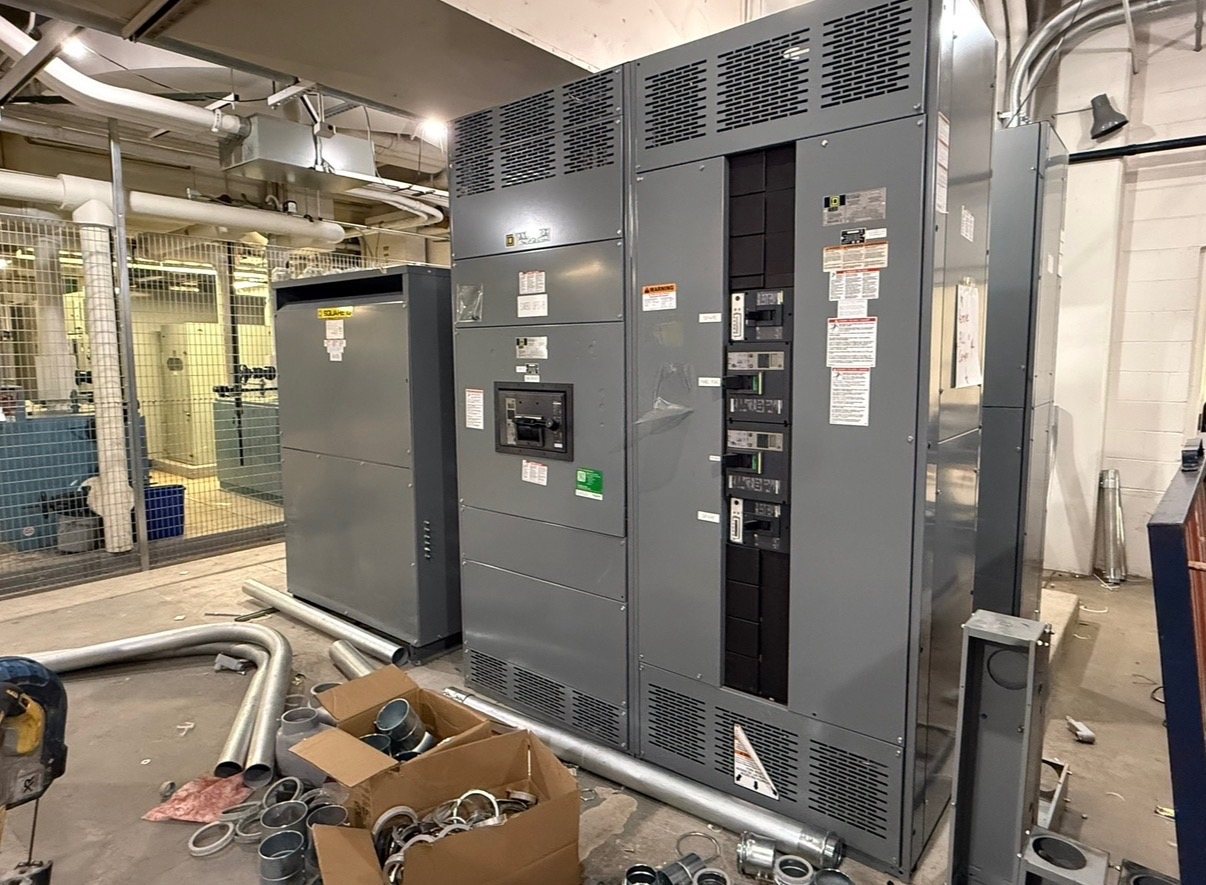
What warranty term applies to this quoted equipment?
Ask for the warranty term in writing for the specific equipment and configuration being quoted. Confirm when the term begins: for example, whether the governing date is shipment, delivery, installation, startup, or another event stated in the applicable terms. Also ask whether different equipment items or components have separate terms. Do not assume a term based on a previous order, a general conversation, or a typical industry practice; the quotation and governing documents should identify what applies.
Clarify what documentation is needed to establish the relevant dates and submit a warranty request. Ask whether the terms require installation, inspection, or startup records, and how a delay between delivery and project completion affects the stated coverage. If equipment will be stored before installation or incorporated into a phased project, disclose that schedule when requesting pricing. These details help align the warranty language with the actual project timeline rather than leaving important conditions to interpretation.
Which equipment and components are covered?
Request a component-level explanation of the proposed coverage. Identify the switchboard or switchgear assembly, protective devices, metering, control components, interconnections, and any separately supplied items on the quotation, then ask which are included and whether any carry distinct terms. For a new retrofit component, confirm its exact scope and the equipment it is intended to fit. Coverage should be established for the quoted new equipment or new retrofit component, not assumed from a similar part or assembly.
Ask how the documents distinguish a manufacturing issue from a problem related to application, installation, field modification, or another component in the electrical system. If your project includes equipment provided by others, identify those boundaries before release. A clear scope can help the engineer, contractor, and purchasing manager understand who to contact when an issue arises and what records may be needed to assess it. Request that component coverage and any applicable limitations be stated in the project documents.
What exclusions and claim conditions should we review?
Ask for the complete written terms, including exclusions, claim steps, and any conditions that could affect coverage. Review provisions addressing handling, storage, installation, operation, maintenance, unauthorized alteration, or use outside the equipment’s specified application. These are questions for the documents, not assumptions about what is or is not covered. If the project has unusual environmental conditions, a nonstandard duty, or a specific operating sequence, describe it during engineering review and ask whether it changes the quoted scope or applicable terms.
Confirm what information should accompany a claim, such as the equipment identification, order or quotation reference, description of the issue, relevant operating history, and available installation or inspection records. Ask where a notice must be sent, who will acknowledge it, and whether the terms require the equipment to remain available for review. Do not remove, alter, or return equipment based on an informal understanding; request instructions through the applicable support channel and follow approved project and safety procedures.
Is startup assistance included, and what is its scope?
Ask whether startup assistance is included in the quotation, available as a separately scoped service, or outside the offered scope. Define what you mean by assistance: documentation review, coordination with the project team, a remote discussion, or another specifically agreed activity. Confirm who provides it, what information must be supplied in advance, and whether travel, scheduling, or other service conditions apply. No startup service should be presumed from the sale of equipment; obtain the agreed scope and responsibilities in writing.
Coordinate startup expectations with the engineer of record, electrical contractor, facility representative, and any other responsible parties. Ask which drawings, approved submittals, settings information, and equipment identification records should be available for coordination. Installation, inspection, testing, and energization must be performed by qualified personnel under approved procedures; support discussions do not replace those responsibilities. If startup timing is uncertain, explain the expected project sequence when requesting pricing so that any assistance can be reviewed against the actual schedule.
Can we plan for spare parts and future replacements?
Ask which spare parts or replacement components can be quoted for the specified new equipment, and whether the recommendation depends on the assembly design, protective-device selection, or expected maintenance approach. Availability and suitability must be confirmed for the individual project. For retrofit work, provide equipment identification and interface information so we can review the intended replacement against the existing application. We supply new equipment and new retrofit components only.
For continuity planning, ask whether recommended spares can be identified in the submittal or quotation, how each item is described, and what information will help your team reorder it later. Consider recording model or catalog information, configuration details, drawings, and order references in the facility’s maintenance records. Do not assume that a component will remain available indefinitely or that a future replacement will be interchangeable without review. Confirm current availability, application fit, engineering requirements, and lead time when a later need arises.
Who should we contact, and what records should we keep?
Before ordering, ask which contact or channel applies to quotation questions, engineering coordination, delivery documentation, startup inquiries, spare-part requests, and warranty notices. Confirm what reference information to include so the request can be associated with the correct project and equipment. Keep the final quotation, approved submittals, drawings, equipment identification, correspondence, and applicable terms together. Support contacts, service scope, on-site responsibilities, and response expectations should be confirmed for the specific order.
Texas projects can be coordinated with us from the United States, and equipment can be shipped nationwide, subject to project review. When requesting pricing, provide the application, required configuration, relevant drawings, schedule, and any support questions that affect scope. Ask us to confirm engineering, component origin, lead time, and available test documentation for the quotation. Verify applicable standards and any listing for the actual configuration; UL 891 is a switchboard standard and should not be treated as a blanket listing for every assembly.