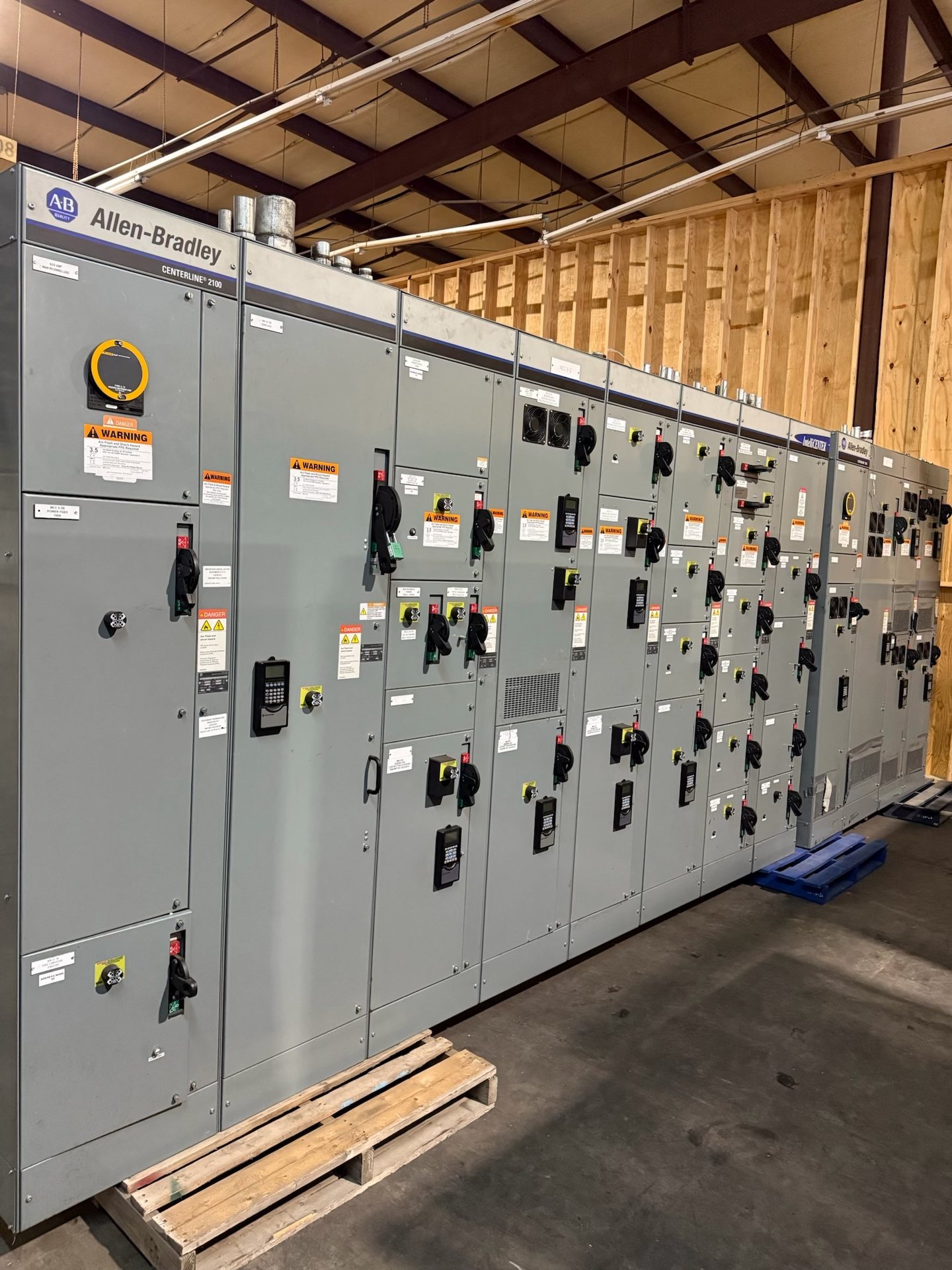
Standards, listings, and approval are not interchangeable
UL, IEEE, NEMA, and NFPA documents serve different purposes. A standard establishes requirements or recommended practices within its scope; a listing indicates that a product or defined assembly has been evaluated by a recognized testing organization for specified requirements. Neither automatically means that a particular installation is approved. The authority having jurisdiction (AHJ) evaluates the proposed equipment and installation under the rules applicable to the project.
When comparing quotations, ask which standard applies to the exact equipment type, which organization evaluated the proposed configuration, and what evidence is available for review. Then confirm who will submit that evidence to the AHJ and whether the project has additional owner, engineer, or utility requirements. A manufacturer's statement about design intent is not the same as an independently evaluated listing or written acceptance for a particular installation.
UL 891 applies to switchboards, not every switchgear assembly
UL 891 is a standard for switchboards. It should not be treated as a blanket listing for every low-, medium-, or high-voltage switchgear lineup, nor as proof that every component or field modification in an assembly has been evaluated. For a project requiring a switchboard, identify the exact assembly and configuration covered by any listing documentation, including the intended application and relevant limits.
Ask whether the quoted equipment is a switchboard or another equipment category, and request the applicable standard and listing information for that category. Listing status and applicable standards must be verified for the proposed configuration; do not infer a UL listing or label from a product description alone. If the specification names UL 891, confirm that the specified equipment type and the delivered arrangement are within its scope.
IEEE standards help frame electrical performance requirements
IEEE standards address a broad range of power-system equipment and engineering practices. Depending on the equipment and project, IEEE documents may inform design criteria, ratings, coordination, application, or performance expectations. The relevant document is not determined by the word “switchgear” alone: voltage class, equipment construction, system conditions, and the engineer's specification all affect which requirements belong in the procurement scope.
For a useful review, have the engineer identify the applicable IEEE document and edition, then state the required ratings and supporting evidence in the equipment specification. Clarify whether a requirement concerns design, documentation, testing, or installation coordination. A quotation should identify any assumptions or exceptions so the engineer can assess them before release. Do not treat a general reference to IEEE as proof that an assembly has been certified or tested to every IEEE standard.
NEMA guidance and NFPA requirements address different needs
NEMA publications provide industry guidance and standards for electrical products and enclosures, among other subjects. Their relevance depends on the specified equipment and application; a NEMA reference does not by itself establish that an assembly carries a third-party listing. Ask the project engineer to name the applicable document and required characteristics rather than relying on an unexplained NEMA reference in a schedule or purchase description.
NFPA documents address areas such as electrical safety and installation requirements, with the applicable provisions depending on the project, adopted editions, and jurisdiction. They are not a substitute for defining equipment ratings or confirming product evaluation. For procurement, distinguish requirements for the product from requirements for installation, operation, or maintenance. Installation, servicing, testing, and energization must be performed by qualified personnel under approved procedures.
Specify evidence before requesting a quotation
A clear request for pricing lets the manufacturer review compliance questions alongside the electrical design. Provide the equipment category, system voltage and current requirements, fault-duty information, enclosure and environmental needs, one-line diagram, relevant schedules, and the complete standards and listing language. Identify required editions, project-specific exceptions, and any owner or utility criteria. These inputs help expose conflicts, missing data, or requirements that need engineering review before an order is placed.
Request the documentation needed for design review, such as applicable listing information, equipment drawings, ratings, and available test or inspection records. Availability and applicability must be confirmed for each quoted configuration; do not assume that every document, test report, or certification applies to every assembly. Also state whether the procurement is for new equipment or new retrofit components and provide interface details for the existing installation when retrofit compatibility is involved.
Confirm listing scope and AHJ acceptance for retrofit work
A new retrofit component may fit an existing lineup mechanically or electrically without inheriting the listing or approval status of the original equipment. The review should identify the existing manufacturer's information, model and ratings, installation date if known, drawings, and the specific section being replaced or modified. Ask the engineer and AHJ how the change affects the overall assembly, required documentation, and any field evaluation or inspection process.
Switchgear Builders Texas supplies new equipment and new retrofit components. Before requesting pricing, define whether the project requires a replacement assembly, a new component for an existing lineup, or a broader redesign. Provide photographs and nameplate details only as supporting information, alongside verified drawings where available. Final acceptance belongs to the applicable AHJ, and installation or commissioning plans should be reviewed by qualified project personnel.