Plan Distribution Around Transportation Loads
Transportation projects often bring together loads with very different operating patterns. Terminal HVAC and lighting can run for extended periods, while baggage conveyors, lifts, pumps, and other motor-driven equipment may start, stop, or operate in coordinated sequences. A useful design basis identifies which loads are continuous, intermittent, seasonal, or expected to expand, rather than relying only on a single facility-wide demand figure.
For equipment scoping, provide the load schedule, demand assumptions, motor starting information where applicable, and any planned future additions. Identify critical services separately from loads that may be shed or transferred during constrained operation. These details help determine the switchboard or switchgear arrangement, feeder provisions, protective-device coordination requirements, and space for future circuits without assuming that every transportation facility has the same operating profile.
Define Normal and Alternate Sources
Airport and transit distribution may use utility service, on-site generation, or other project-defined sources, with arrangements that vary by facility and operating priorities. The design should make clear which sources feed each section, whether transfer equipment is part of the scope, and which loads must remain available when a normal source is lost. Source count alone does not establish resilience; the operating sequence and electrical boundaries matter.
When requesting pricing, share the one-line diagram or a clear description of the intended source configuration, including tie breakers, interlocking expectations, and transfer interfaces. State whether switching is manual or automatic and identify any separate equipment supplied by others. Source fault-current data and the project’s operating scenarios are important inputs for engineering review; the final arrangement and component suitability must be confirmed for the specific quotation.
Account for Facility Environments
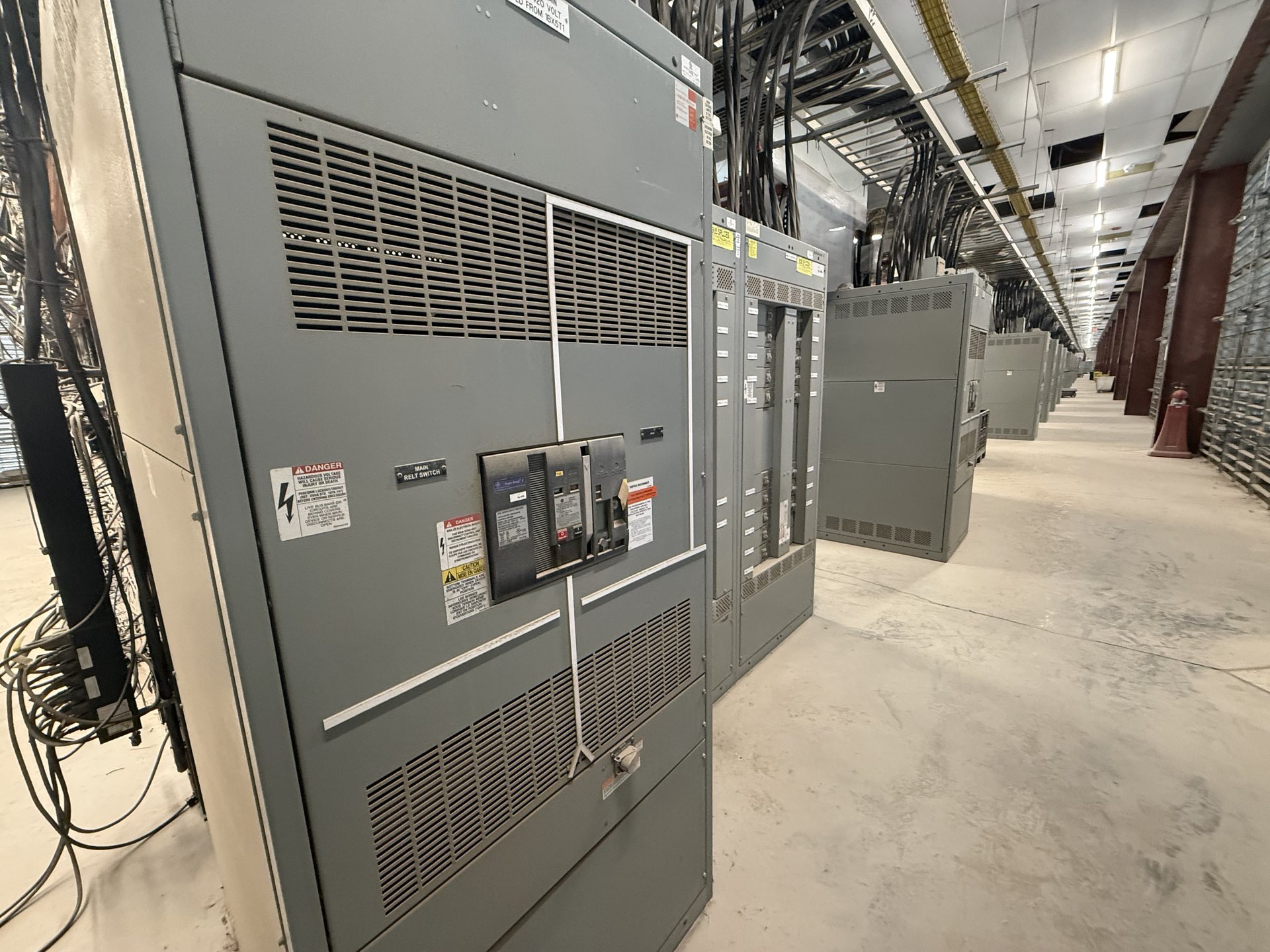
Transportation electrical rooms can differ substantially in exposure and available space. Equipment may be installed in conditioned interior rooms, service areas with dust or vibration, or locations influenced by humidity, temperature variation, or nearby vehicle activity. Airport projects may also have access restrictions and staged construction conditions that affect how equipment can be transported into the building and positioned for installation.
Describe the proposed room, access route, clearances, ambient conditions, and any known exposure concerns when defining the equipment. Include enclosure expectations, cable entry direction, and limitations on section dimensions or handling. For retrofit work, provide verified existing-room measurements and photographs or drawings where available. Environmental requirements and physical fit should be reviewed together; a configuration cannot be assumed to suit the location until the project information is evaluated.
Coordinate Protection and Continuity
Protection design for transportation distribution must reflect the source arrangement, available fault current, conductor and equipment ratings, and the consequences of interruptions to connected systems. Selective coordination may be a project requirement for designated circuits, but its scope and acceptance criteria should be stated explicitly. Short-circuit and coordination studies, where required, need consistent assumptions about utility sources, generators, transformers, and downstream devices.
Provide the applicable study criteria, protective-device preferences, system grounding information, and required interface points with other equipment. Identify critical feeders and any constraints on outage duration or transfer behavior. We can build new equipment to reviewed specifications, but device selection and settings depend on the project design and coordinated documentation. Applicable standards and any requested listing must be checked against the exact configuration rather than presumed for every assembly.
Specify Documentation and Equipment Scope
A clear procurement package reduces ambiguity between the switchgear manufacturer, electrical engineer, contractor, and other equipment suppliers. Useful documents include the one-line diagram, load and feeder schedules, equipment-room drawings, source data, applicable specifications, and a list of required submittals. Call out control interfaces, metering, communications, and accessory requirements, while distinguishing manufacturer scope from field wiring and equipment furnished by others.
Switchgear Builders Texas manufactures new equipment and can provide new retrofit components when the project scope calls for replacement or modification of existing equipment. Retrofit requests should identify the existing manufacturer and model when known, component markings, dimensions, bus and connection details, and the reason for replacement. Suitability cannot be determined from a nameplate description alone; compatibility, engineering, availability, component origin, lead time, and documentation are confirmed during quotation review.
Build Maintenance and Phasing into the Plan
Maintenance planning begins with practical access to compartments, protective devices, and connection points, along with a record of the equipment configuration and operating dependencies. Transportation facilities may have restricted outage windows or continuous public operations, so project teams should identify isolation boundaries, backup arrangements, and maintenance access expectations early. These requirements can influence section layout, circuit grouping, and the way expansion provisions are allocated.
For phased renovations, define which existing circuits must remain in service, the planned sequence of cutovers, and who is responsible for temporary distribution and field verification. Installation, servicing, testing, and energization must be performed by qualified personnel under approved procedures. Include turnover-document expectations and identify required equipment records or test documentation in the procurement package; what can be supplied must be confirmed for the selected configuration and quotation.